analysing smart clocks versus traditional timepieces for lifestyle
As we navigate through 2026, the debate between smart clocks and traditional timepieces continues to gain traction among consumers. With technology evolving at a rapid pace, understanding the benefits and drawbacks of each can significantly influence how we manage our time and enhance our lifestyle. This article delves into the distinctive features of smart clocks and traditional timepieces, offering insights to help you make an informed decision.
The Rise of Smart Clocks
Smart clocks have revolutionised the way we perceive and interact with time. These innovative devices boast a variety of features that extend beyond mere timekeeping. For instance, many smart clocks integrate with home automation systems, allowing users to control lights, thermostats, and security systems directly from their clock interface. This level of connectivity can enhance convenience, making it easier to manage daily tasks without the need for multiple devices.
In addition, smart clocks often come equipped with voice assistants, enabling hands-free operation for setting alarms, checking the weather, and even streaming music. This functionality caters to a more dynamic lifestyle, where multitasking becomes essential. Moreover, many models feature health tracking capabilities, monitoring sleep patterns and providing insights that can help improve overall wellbeing.
Traditional Timepieces: A Timeless Elegance
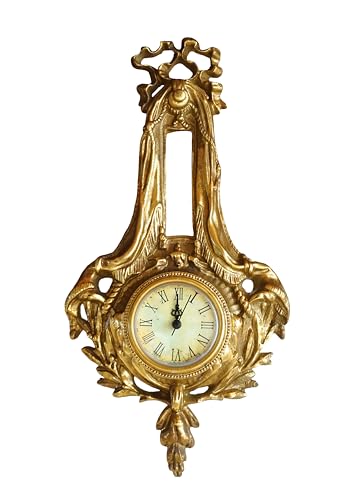
On the other hand, traditional timepieces offer a sense of timeless elegance and aesthetic appeal that smart clocks often lack. The craftsmanship involved in creating mechanical watches is an art form in itself, with intricate designs that can reflect personal style and heritage. A classic watch can be a statement piece, showcasing sophistication and attention to detail.
People Also Look For:
- dixtime Abstract Purple Lilac Designer Wall Clock Modern Wall Clocks Design Quiet No Ticking 3DS-0028
- Plumeet Retro Wall Clock, 12'' Non Ticking Classic Silent Vintage Wall Clocks Decorative Kitchen Living Room Bedroom, Roman Numera...
- Brifit Silent Alarm Clock, Alarm Clocks Bedside Battery Powered, Analogue Alarm Clock Non Ticking, Table Clock with Luminous Point...
- Cuzloma Retro Alarm Clocks Bedside Non Ticking Battery Powered Loud Twin Bell Bedroom Clock Vintage Old Fashioned with Night Light...
- 76cm Large Metal Skeleton Gear Wall Clock - 100% Metal - Rustic Silver Colour - Industrial Mechanical Look - Roman Numerals - Wall...
Furthermore, traditional watches do not rely on electricity or software updates, making them incredibly reliable for consistent timekeeping. Many enthusiasts appreciate the durability of high-quality timepieces, which can last for years, even generations, with proper care. This longevity is often seen as an investment, with certain models appreciating in value over time.
Functionality and User Experience
When considering functionality, smart clocks clearly provide a plethora of features that can streamline daily routines. For tech-savvy individuals, the ability to connect to apps and receive notifications can be a game changer. Users can customise settings to suit their preferences, making these clocks highly adaptable to different lifestyles.
In contrast, traditional timepieces focus on simplicity and elegance. They require minimal user interaction, appealing to those who prefer a more straightforward approach to time management. The absence of digital distractions can also promote mindfulness, allowing wearers to appreciate the moment rather than getting lost in notifications and alerts.
Cost Considerations
Cost can also play a significant role in the decision-making process. Smart clocks vary widely in price, often reflecting their advanced technology and features. While some budget-friendly options exist, high-end models can be quite expensive, particularly those with premium features and materials.
Traditional timepieces can range from affordable quartz models to luxurious mechanical watches that command high prices. It is essential to consider the long-term value of a timepiece when making a purchase. Investing in a quality watch can yield dividends in terms of style, durability, and potential resale value.
Final Thoughts on Lifestyle Integration
Ultimately, the choice between smart clocks and traditional timepieces depends on individual lifestyle needs and preferences. Smart clocks are ideal for those who thrive on connectivity and advanced features, while traditional watches appeal to those who appreciate craftsmanship and elegance. As we move forward in 2026, it is clear that both options hold unique advantages that cater to different lifestyles.